



Ancestral Practice · 9 min read
What Happens in a Medium Reading? How to Prepare and What to Ask
By China · October 10, 2026
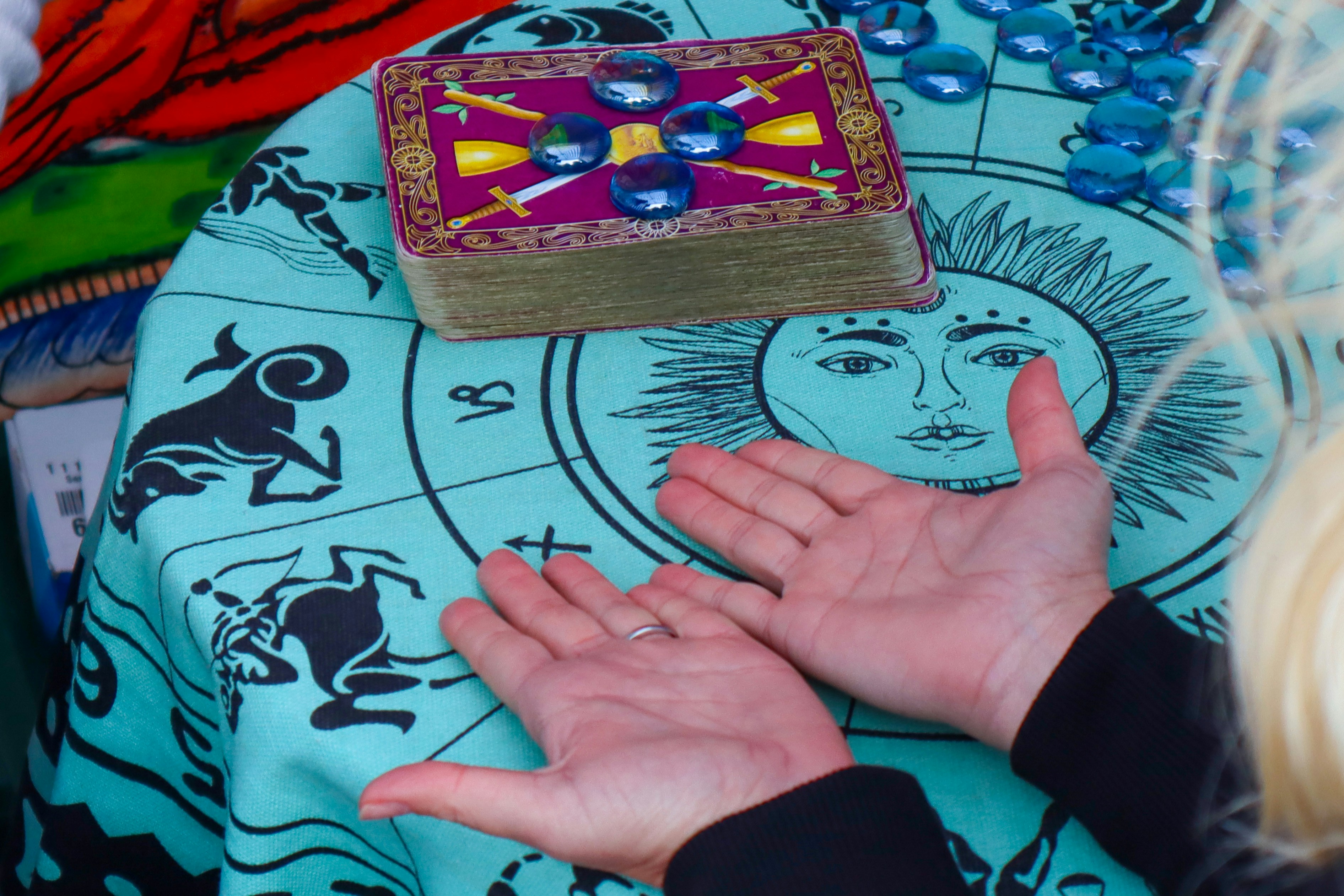
Your laptop is open on the kitchen table. The session starts in ten minutes. You've got a notebook with four questions written in it, your mom's ring on your finger, and a box of tissues you keep telling yourself you won't need.
You almost canceled twice this week. What if nothing comes through? What if something does?
If you're thinking about booking a medium reading, or you already have one on the calendar, those nerves are normal. Most people show up with no idea what to expect, and what they've seen on TV doesn't help much. So here's what actually happens in a reading, how to prepare, and what to ask, from someone who sits on the other side of the table.
The short answer: In a medium reading, the medium shares impressions they believe come from people who have passed, like names, personality traits, memories, or messages, and you let them know what makes sense to you. Most readings start with a short explanation of how the medium works, move into the messages, leave room for your questions, and end with time to talk through what came up. To prepare, write down your questions, find a quiet private space, stay open about who comes through, and give yourself time afterward to rest.
What is a medium reading?
A medium reading is a session where a medium tries to connect with people who have died and pass along what comes through. Most people book one because they've lost someone and want to feel close to them again, or because something was left unsaid.
People often use "medium" and "psychic" as if they mean the same thing. A psychic reading usually focuses on you: your life, your energy, and what might be ahead. A medium reading focuses on your loved ones who have passed. Many mediums do both, so it's worth asking what kind of session you're booking.
What happens in a medium reading, step by step
Every medium works a little differently, but most readings follow a similar shape.
Before the session
You'll book a time and get the details for joining. Many readings now happen over video or phone, and plenty of people find remote sessions just as meaningful as meeting in person. You usually don't need to share much ahead of time. A good medium won't ask for a list of your relatives.
The opening
The medium will usually start by explaining how they work and what to expect. Many take a moment to get grounded, say a prayer, or set an intention. This is a good time to mention anything that matters to you, like being nervous or never having done this before.
The messages
This is the main part of the reading. The medium describes what they're picking up. It might be a name or an initial, how someone passed, a personality trait, a phrase they always used to say, or a memory only your family would know.
Your job is simple. Say yes when something fits, no when it doesn't, and "I'm not sure" when you don't know. You don't have to help the medium along, and you don't have to force something to fit.
Your questions
Most readings leave time for the questions you brought. Some get clear answers. Some don't, and an honest medium will tell you when that happens instead of guessing.
The close
At the end, there's usually time to talk about what came through and how to carry it with you. I always leave room for this part in my sessions, because a reading can stir up a lot.
How to prepare for a medium reading
You don't need to do anything special. A little preparation does help you get more out of it.
- Think about who you hope to hear from, and stay open. It's natural to hope for one person. Sometimes someone else comes through first, like a grandparent you barely knew or an old friend you hadn't thought about in years.
- Write your questions down. Nerves can make your mind go blank. A short list keeps you from walking away wishing you'd asked something.
- Find a quiet, private space. If your reading is remote, close the door, use headphones if you share a home, and turn off notifications.
- Keep a notebook nearby, or ask about recording. Details you don't recognize in the moment can make sense later. Ask before the session whether recording is allowed.
- Hold a photo or object if it helps. A ring, a letter, a favorite sweater. You don't need it, but many people find it helps them feel connected.
- Don't give too much away at the start. You don't need to share names or how someone passed. Let the details come from the medium.
- Come rested and sober. You'll want a clear head for this.
- Plan a soft landing afterward. Don't schedule a big meeting right after. Give yourself an hour to sit with whatever came up.
Questions to ask a medium
Good questions tend to be open and personal. Here are some people often bring:
- Is there anything you want me to know?
- Are you at peace?
- Have you seen what's happened since you passed, like the wedding or the new baby?
- Is there something you wish you had said?
- Is there anything you need me to forgive, or anything you forgive me for?
- Are you with anyone else in the family who has passed?
- How can I feel closer to you?
- Is there a message for someone else in the family?
Some questions don't belong in a medium reading. A medium can't tell you whether to stop a medication, how to handle a lawsuit, or what to do with your retirement savings. Take those to a doctor, a lawyer, or a financial professional. Questions like when someone will die also tend to go nowhere, and a responsible medium won't try to answer them.
What if the person you want doesn't come through?
This is the fear almost everyone brings, so let's be honest about it. No medium can promise that a specific person will come through. Anyone who guarantees it is promising something they can't control.
Sometimes the person you're hoping for comes through right away. Sometimes someone else shows up first, and their message turns out to be exactly what you needed. And sometimes the person you came for doesn't come through at all.
If that happens, it doesn't mean they don't love you or aren't around. It isn't a judgment on you or on them. Many people keep noticing signs from their loved ones in everyday life, long after a reading. I wrote about the most common signs from deceased loved ones if you want to know what to look for.
How to tell if a medium is real
There's no test that settles whether mediumship is real, so you'll have to rely on your own judgment. These signs can help.
Red flags:
- They guarantee that a specific loved one will come through.
- They tell you you're cursed, or that something bad will happen unless you pay for more work. This is a classic scam.
- They pressure you to book more sessions or buy add-ons.
- They ask a lot of leading questions, then repeat your answers back to you as messages.
- They try to make big life decisions for you.
- They discourage you from seeing a doctor or therapist.
Good signs:
- They're upfront about what they can and can't do.
- They share specific details you didn't give them.
- They're comfortable hearing "no, that doesn't fit."
- You leave feeling calmer and clearer, not scared.
- They support you getting other kinds of help when you need it.
Is now the right time for a reading?
There's no perfect timeline. Some people book a reading a few weeks after a loss. Others wait years.
It might help to wait a little if the loss is very new and you're still in shock, or if you're hoping one reading will fix grief that needs more time. A reading can bring comfort and a sense of closure. It can't replace the slow work of grieving, and it isn't a substitute for therapy.
If you're struggling to sleep, eat, or get through your days, please talk to a doctor, therapist, or grief counselor. If you're having thoughts of hurting yourself, call or text 988 to reach the Suicide and Crisis Lifeline.
What to expect after a medium reading
Many people feel tired afterward, even a little wrung out. Some cry for the rest of the day. Some feel lighter than they have in months. All of that is normal.
A few things help:
- Write down what you remember while it's fresh.
- If a detail didn't make sense, ask an older relative. A name that meant nothing to you might mean a lot to your aunt.
- Wait a while before booking another session. Let what came through settle first.
- Drink some water, eat something, and go easy on yourself for the rest of the day.
Booking a reading with me
If you've read this far and feel ready, The Soul Session is where I recommend new clients start. It's a 90-minute, one-on-one session with time for channeled guidance, your questions, and a conversation at the end about what came up. No two are the same, because I follow what comes through instead of a set script.
If you have just one question on your heart, the 15-minute Leap of Faith Session is a gentler way to begin.
Medium reading FAQ
How long does a medium reading last?
It depends on the medium. Readings often run anywhere from 30 to 90 minutes. The Soul Session runs 90 minutes, which leaves time for messages, questions, and a conversation at the end.
Can a medium reading be done over the phone or video?
Yes. Many mediums read remotely, and lots of people find remote readings just as meaningful as in-person ones. You get to sit somewhere you feel comfortable, which helps.
Do I need to tell the medium who I want to connect with?
No. It's actually better not to share too much at the start. You can mention it later if that person hasn't come through.
Can I record my medium reading?
Ask the medium before your session, since policies vary. A recording or good notes help when you want to revisit details later.
Is it okay to cry during a reading?
Yes. Readings bring up a lot, and nobody expects you to hold it together. Keep tissues and water nearby.
Can a medium predict the future?
Mediumship focuses on connecting with people who have passed. Some mediums also offer intuitive guidance about your path, but nobody can promise what will happen. Be wary of anyone who claims they can.
Back to the kitchen table
Ten minutes go by fast. You straighten the notebook, turn the ring on your finger, and click join.
Whatever comes through, you showed up for someone you love, and that counts for something before a single word is said. Bring your questions and an open mind, and give yourself permission to feel whatever you feel.